Long Overdue - NASA receives a Budget Boost from Congress

James
An unexpectedly large spending package for the year 2016 has increased NASA's funding thru 2016 by $1.3 billion.
This means that NASA's funding for 2016 is currently set to the tune of $19.3 billion dollars for the fiscal year.
This actually represents $750 million dollars over what the agency had requested.
The increase to 0.55% of the $3.525 trillion dollar total federal budget couldn't come at a better time for NASA, as the agency works to transition from the end of the Space Shuttle to the age of Orion and Space Launch System.
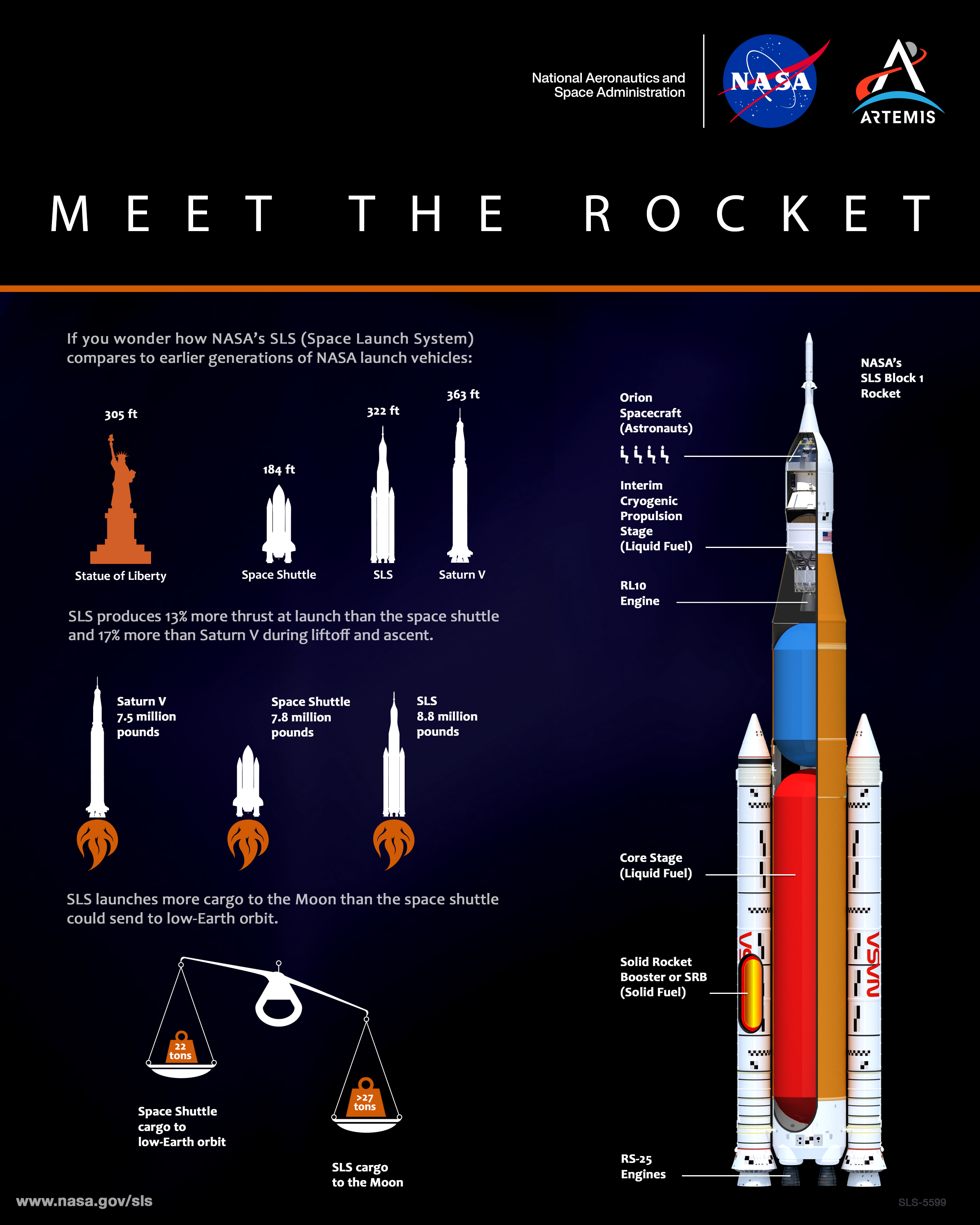
The Space Launch System is the next generation of heavy-lift rockets for NASA and it is designed to take astronauts beyond low-Earth orbit hopefully (with the addition of a habitat) to Mars by the late 2030s.
The International Space Station (ISS) will receive more than $5 billion in 2016 (more than NASA requested by nearly $1 billion) the aim appears to be supporting the on-going initiatives for Boeing and SpaceX to develop crewed transport to help end the US dependence on the Russian Soyuz.
There is also additional funding for the Planetary Science Division which will allow missions such as the Lunar Reconnaissance Orbiter and the Mars rovers Opportunity and Curiosity to stay in operation beyond the current planned period of operation.
In addition, the development of the Mars 2020 rover and Europa mission (also pencilled in for the 2020's) should remain on track. The bill also requests the development of a Europa lander in addition to the planned orbiter as part of the initial Europa package. This has caused some division, as NASA has doubts whether it is capable of doing a lander on the very first mission to Europa. It would ideally like to do an orbiter mission first, allowing time for reconnaissance, and then do a lander mission which would ideally follow in later years.
Similar Posts


February 10, 2020
• 1 min read