
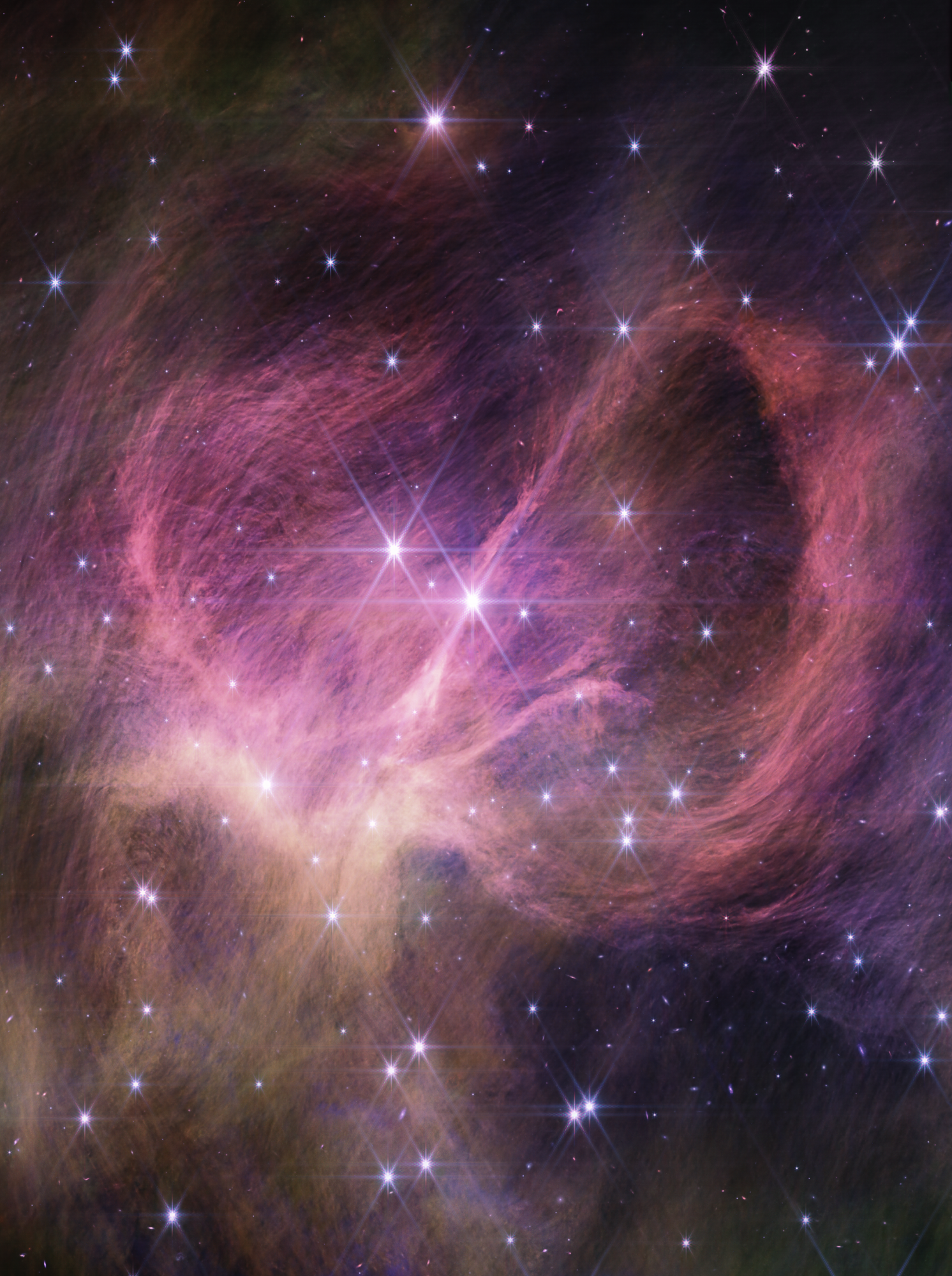
As the year draws to a close, the James Webb Space Telescope continues to rewrite the astronomy textbooks. In a star cluster (IC 348) 1,000 light-years away, it has spotted the smallest free-floating brown dwarf ever discovered.
Brown dwarfs are often called "failed stars" because they are too small to sustain hydrogen fusion in their cores. However, this newly discovered object is only three to four times the mass of Jupiter. It completely blurs the line between a giant planet and a tiny star, challenging our current theories of how stars actually form. It is a brilliant, head-scratching discovery to cap off a truly phenomenal year of astronomical science.
Similar Posts


July 26, 2018
• 1 min read